


Leaving The Industry Better Than He Found It

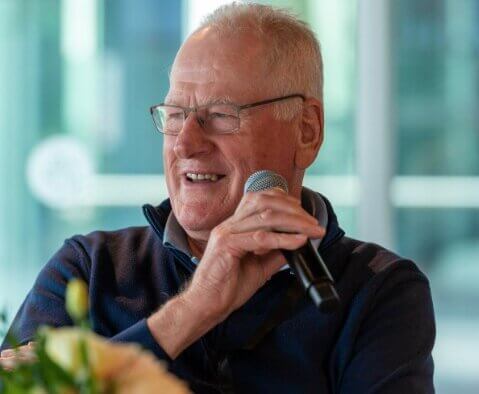
As Bernie Kiekebosch steps back from his role as judge for the Hire Industry Awards of Excellence, he leaves behind a long list of worthy winners and a legacy of safer, smarter and more sustainable businesses.
AFTER MORE THAN 15 YEARS ON the road visiting branches, pouring over submissions and gently – sometimes firmly – prodding businesses to lift their game, Bernie Kiekebosch is hanging up his judging hat.
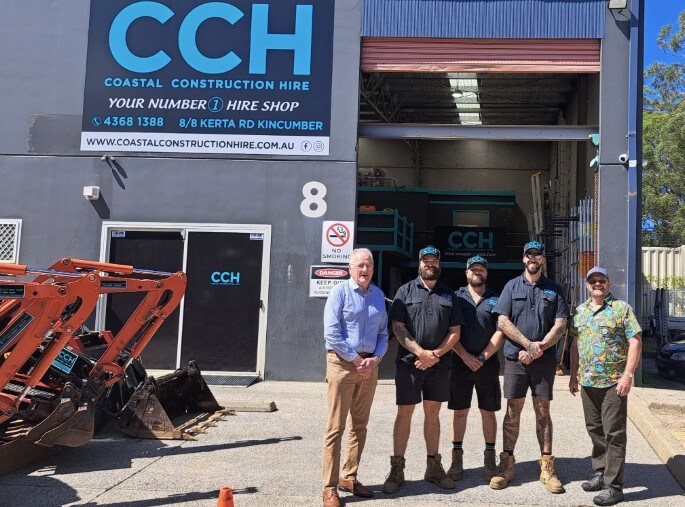
Bernie (left) at Coastal Construction Hire judging for the 2026 Hire Company of the Year.
Bernie’s connection to the industry goes back decades, well before he ever set foot on a site as a judge. He was a foundation member of the EWPA and later served as the national president.
“I started in the industry through the EWPA, when it was very much in its infancy,” says Bernie. “Those early years gave me deep insight into both the technical and human sides of rental — from safety and equipment standards to the pressures facing small operators.”
By the time the HRIA was looking for judges for its annual industry excellence awards, Bernie was the obvious choice.
“I’ve always had a philosophy that I want to leave this place in a better state than when I got here,” he says. “So, when I was asked to help with judging, I thought, why not?”
That was 15 years ago and since then, Bernie has been instrumental in shaping how the national awards are assessed.
Bernie’s first judging visit is one he will never forget — and not for the right reasons. Inside that first business, equipment records were kept in an overstuffed folder that literally exploded across the table when the owner dropped it down.
“I learned so much from that visit,” says Bernie. “It was a very steep learning curve.”
It also crystallised for Bernie what the judging process could do: identify risks, highlight missed opportunities and show operators a better way forward.
Since then, he’s seen the industry from both ends of the spectrum — those turning over less than $10 million and those above it. He says the value he brings as a judge — and the value businesses get from the judging process — look different in each category.
For the large operators the process can identify improvement opportunities they may not have seen before. “They have dedicated safety teams, HR specialists and sophisticated systems but still have their blind spots,” he says.
However, for the smaller businesses, the process can have a profound impact on them and is more gratifying for Bernie.
“Judging gives you an opportunity to share your years of experience to really help them with their business,” he says.
One of his recurring themes is risk, both safety and commercial. He recalls judging a smaller operator whose customer had experienced a serious accident yet there was no incident documentation, structured process or signed waiver acknowledgement.
“I recommended they needed a set of instructions for every hire transaction with a clause the customer signs to say, ‘I understand’. As a business owner, it’s essential to protect your business and your employees.”
Alongside risk management, he’s also a strong advocate for KPIs and data-driven decisions. Even today, he’s still surprised by how many small businesses don’t track utilisation, profitability by asset class or demand patterns.
“Your system should be telling you when it’s time to buy another machine, not your gut,” he says. “If a certain product is always out and you’re turning away hires, that’s your KPI system saying, ‘invest here’.”
While safety and systems are non-negotiables, he believes great businesses are distinguished by culture and consistency and is a big advocate for those that genuinely invest in their people.
He points to some of the leading national brands where you can walk into any branch and feel like you’re in the same store due to the same layout, processes and way of answering the phone.
“It seems so simple, but it’s complex to do,” he says. “You’ve got to start from day one and keep everyone on the same page as you grow.”
He says smaller operators can also underestimate the impact of branding. From decal placement on equipment right through to yard presentation, Bernie views every machine as an extension of the company’s identity.
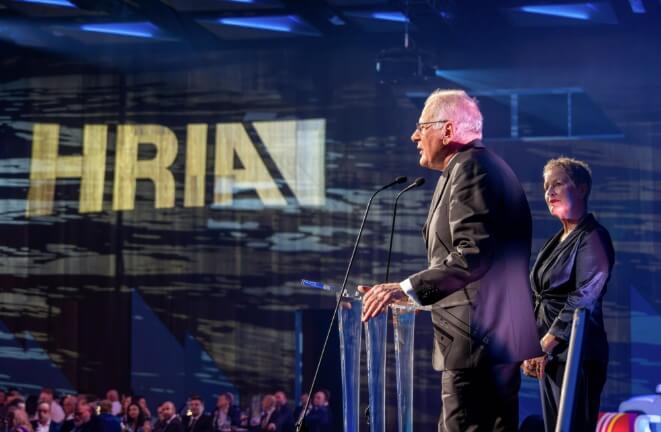
“Judging gives you an opportunity to share your years of experience to really help them with their business.”
“If your branding looks like a ‘dog’s breakfast’, you lose the impact completely,” he says. “However, when your machines are lined up in the yard and everything is where it should be, it sends a powerful message that this is your shopfront.”
Just do it
For businesses contemplating a submission and worrying about the time and effort involved, Bernie has a clear message: just do it.
“If you can take away just one thing from the judges coming to your premises, it could have an enormous impact on your business down the track,” he says.
Yet it’s not just the site visit that creates value. Writing the submission forces businesses to articulate their processes, strategies and plans. Prior to every site visit, Bernie reviews finalist’ submissions carefully, highlighting what he wants to probe onsite.
“If you say you want to put on a yard person or open another branch, I’ll ask: what’s the timeline? What are your trigger points? Is it in your three, six, or 12‑month plan?”
His believes every business – regardless of size – should have short-term (3/6/12 month) and longer‑term (2–5 year) plans which are regularly reviewed and adjusted.
“You don’t go into business assuming you’ll stay small forever,” he says. “If your vision is to grow, you need the infrastructure – systems, procedures and risk management — to match.”
Now, as Bernie steps back from judging, it’s not the gala dinners or the Awards he’ll miss most.
“The real pleasure of this role has been helping the smaller companies and seeing them soak up ideas like sponges, take notes, and then use that to grow safer, stronger businesses and that’s incredibly rewarding.”
In a career defined by service, he sums up his motivation simply: “If I can help leave the industry in better shape than when I came into it, then I’ve done what I set out to do.”